I am a designer, researcher and educator.
My work brings together design, contextual research and creative learning to deepen understanding of people, places and systems. By exploring different perspectives and untapped connections, I help reveal possibilities for more joined-up responses to social and environmental challenges.
Creative learning programmes & environments
Examples of interactive learning experiences and immersive environments designed to spark curiosity, encourage experimentation and help people engage with ideas and each other in new ways.
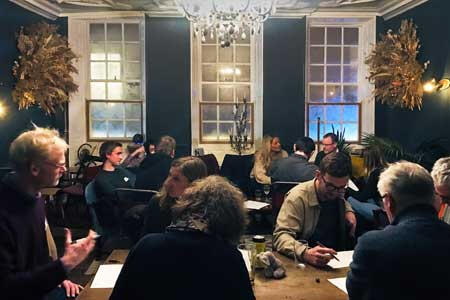
Doughnut Economics / University of Bath / BANES
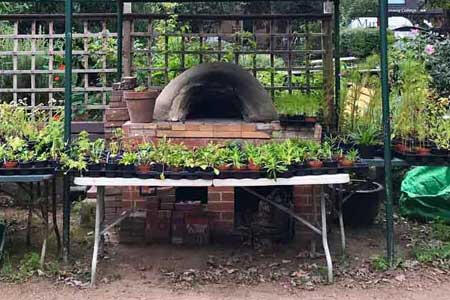
Design, differently / Design Council
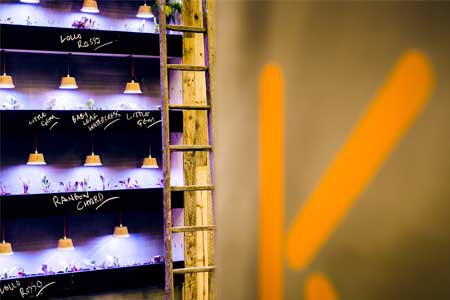
Farm Kitchen / 100% Design / London Design Festival

Maker Carousel / 100% Design / London Design Festival
Discovery & research into practice
Examples of projects that helped organisations explore new territory, sense-check their starting points, and investigate challenges through contextual research, design thinking and interdisciplinary perspectives.
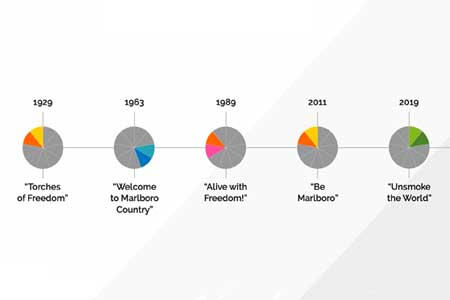
World Health Organisation
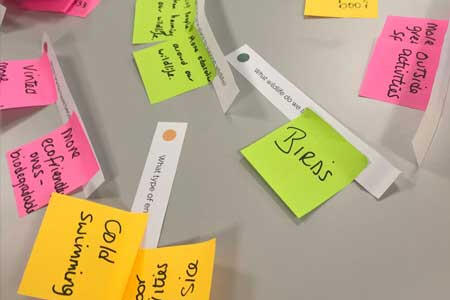
Essex County Council / Design Council
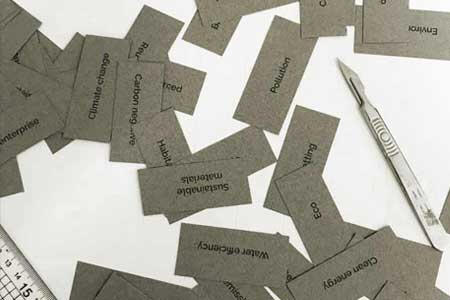
Lumsden Design
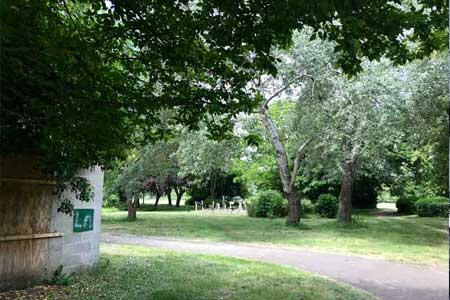
London Borough of Hounslow / Design Council
Interdisciplinary research & frameworks
Independent research, creative methods and frameworks exploring how we understand people and places, recognise connections between social, environmental and economic priorities, and develop new ways of looking at the world around us.
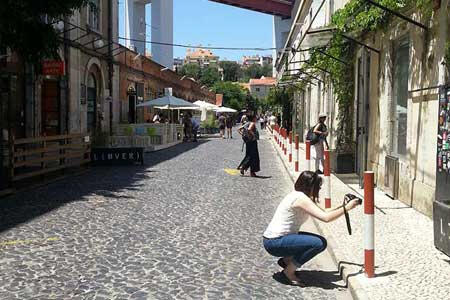
Civic Sketchbook
Pre-Collaborative City
Bridge to Belonging
Communicating Degrowth
When I'm not working with organisations, I'm often walking with a camera, following a research rabbit-hole, or experimenting with ideas that might eventually become a field guide, a learning resource or a piece of writing.If something here resonates with your work, get in touch - I'd love to hear from you.
Doughnut Economics
University of Bath / Bath & North East Somerset Council
Programme design & facilitation
2023-2025
Synopsis
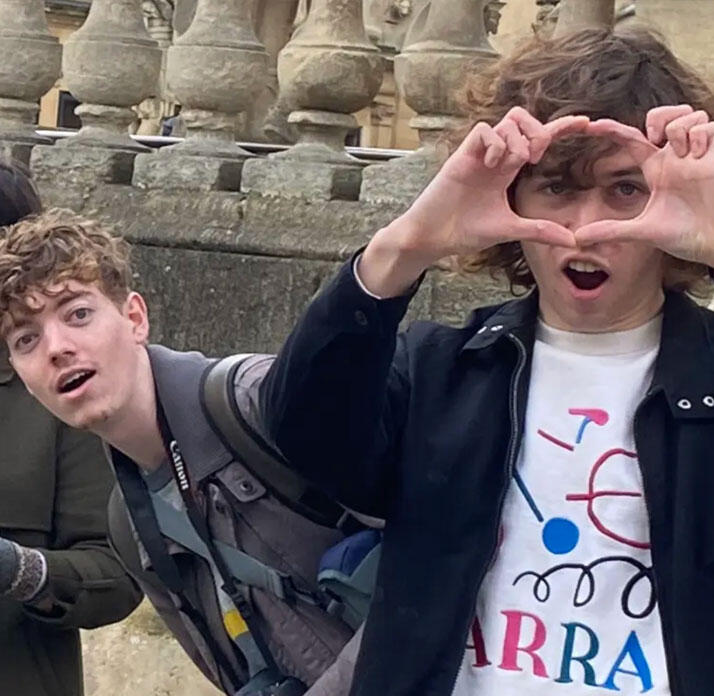
Designed and facilitated an interdisciplinary programme of learning and engagement to help people from different sectors build a shared understanding of Doughnut Economics and explore its potential for Bath, UK. The work explored how preparatory learning, relationships and place-based inquiry could help connect social, environmental and economic priorities.
Creating the conditions for shared understanding
Context & Challenge
Doughnut Economics offers a way to consider how people can meet their needs within the limits of the living planet. Applying its principles at city level requires people from different sectors and backgrounds to engage with a novel framework and explore what it might mean in their own context.Bringing people together, however, doesn't automatically create shared understanding. Participants would be encountering new ideas while navigating different perspectives, interests and priorities. Without time to make sense of these differences and develop relationships, attempts to apply the framework could lead to frustration rather than cohesion.I raised the question: How can people with different interests, motivations and types of knowledge explore this unfamiliar economic framework together?The challenge was not simply to introduce a model and its accompanying materials, but to create opportunities for people to build relationships and develop their understanding at the same time.
My approach
Creating conditions for learning and relationships to developI designed and facilitated a programme combining preparatory learning, interdisciplinary dialogue, public engagement, place-based exploration and research. The activities offered different ways for people to encounter the framework and connect its ideas with their own interests and experience.
Nine-week read-along: Creating an accessible shared starting point through a chapter-by-chapter online exploration of the book, introducing the framework and generating awareness.
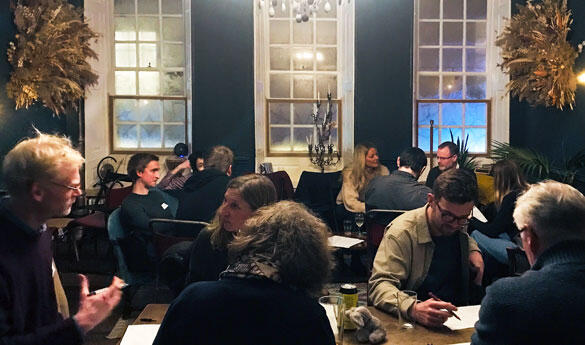
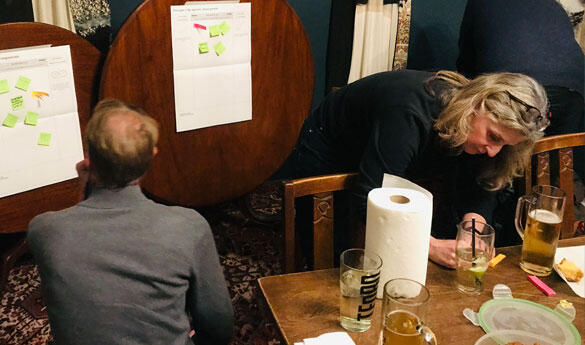
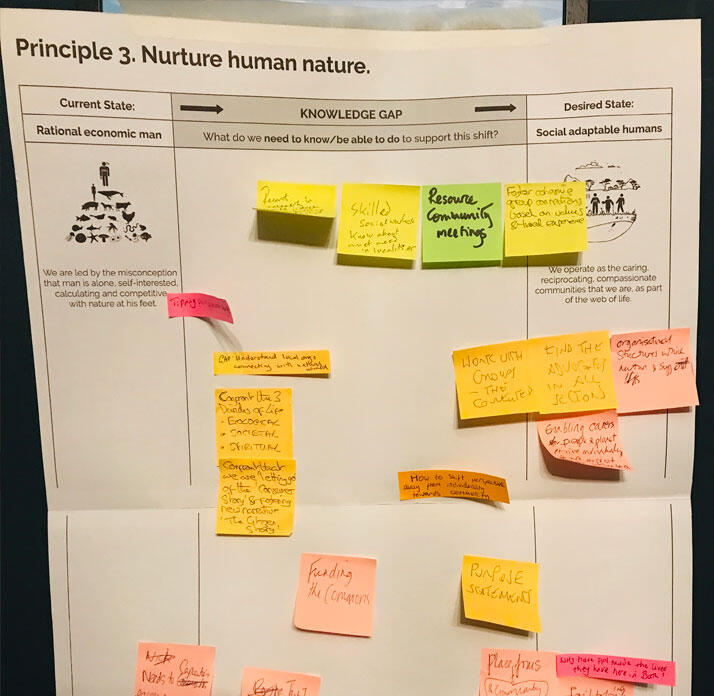
24 interactive and interdisciplinary workshops: Designed and facilitated workshops in an informal pub setting, offering a contrast to conventional council spaces. The relaxed environment created opportunities to exchange perspectives and explore connections across areas of work. Participants ranged in age from 17 to their mid-seventies.
Two public lectures: Introducing a wider audience to the framework and a real-world example of its application.
Online knowledge-sharing group: Extending the exchange of ideas and resources beyond individual events.
Urban photo walk: Using observation of the city to 'explore our common ground on our common ground'. Attracted an additional group of architecture and urban planning students and professionals.
Crowdsourced repository of inspiring interventions: Gathering real-world examples of urban initiatives that put related social, environmental and economic principles into practice, helping participants connect the framework with approaches being explored elsewhere.
Connecting research, learning & strategy: Supporting Bath & North East Somerset Council in preparing for the public launch of its regional Economic Development Strategy, hosted by Kate Raworth and the Doughnut Economics Action Lab, including post-event participatory research, analysis and reporting.
The programme provided multiple entry points into the framework, allowing participants to develop their understanding and relationships over time rather than relying on a single event or format.
What emerged
Connecting social, environmental and economic prioritiesThe work highlighted the value of informal and preparatory spaces where people could develop their understanding of one another and the framework before engaging in more complex discussions.Participants also explored how affordability, inequality, housing, transport and environmental sustainability were interconnected, rather than issues that could be considered in isolation.One workshop offered a tangible indication of a shift in perspective. As part of an exercise, groups considered whether a social or environmental lens should guide their approach to addressing local social and environmental challenges simultaneously. When representatives from each table held up their chosen cards, every table had selected social.This contrasted with the more divisive positions expressed at the beginning of the programme. In the context of Bath, the exercise suggested a move towards considering environmental challenges through a social lens, rather than treating social and environmental needs as competing priorities.
Why it matters
Learning as a pre-condition for joined-up thinkingThe project explored how a complex, cross-sector framework could become more meaningful through varied opportunities for learning, dialogue and place-based inquiry.It reinforced a principle that runs through my practice: before deciding how to act, people need opportunities to understand the context, encounter different perspectives and develop relationships. These conditions don't eliminate disagreement, but can help people engage with it more constructively and recognise connections that might otherwise be missed.
Further conversation
If you'd like to discuss this work or explore related ideas, please get in touch.
Design, differently
Design Council programme
Specialist Expert: Coaching, facilitation & systems thinking
2023
Synopsis
Coached six local initiatives and synthesised findings across a national programme supporting place-based innovation. By helping teams revisit assumptions, develop research plans and slow the pace of implementation, the work informed programme learning and highlighted the importance of discovery throughout the design process.
Supporting place-based innovation through deeper discovery
Context & Challenge
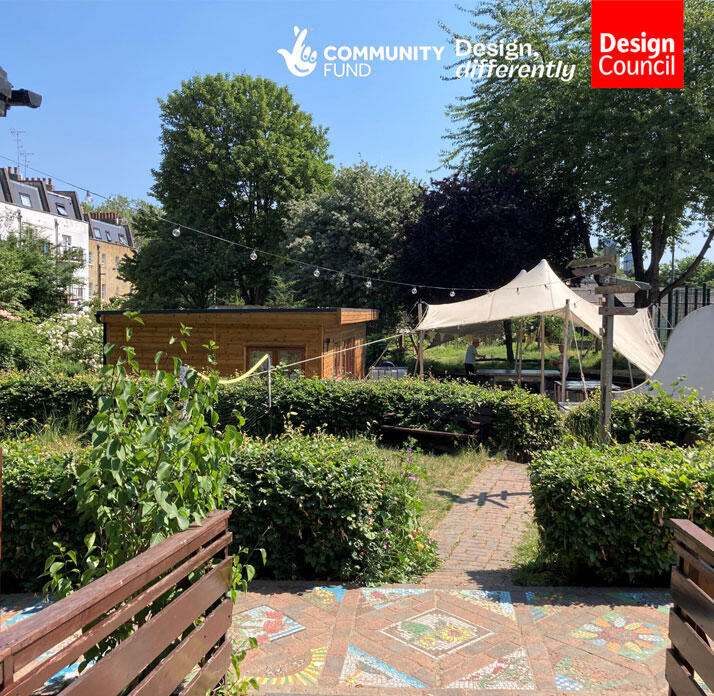
The climate crisis calls for responses that connect people, organisations and systems. Through Design, differently, a National Lottery-funded programme, the Design Council brought together local authorities and community initiatives across the UK to explore how design could support more regenerative futures.The six initiatives I supported addressed different challenges, from youth-led climate action and urban regeneration to community growing and resource sharing. Each brought its own ambitions, assumptions and understanding of the problem it was trying to address.A recurring challenge was ensuring that these starting points were grounded in an understanding of the problems, the people affected and the wider systems involved. Participants were often keen to develop or prototype ideas but had limited opportunities to investigate underlying issues or engage with people beyond their immediate networks.As a member of the Design Council's national network of Specialist Experts, I contributed expertise in design and systems thinking, working as a coach and co-facilitator over six months. My role combined support for individual initiatives with identifying emerging challenges, sharing learning with the programme team and helping inform programme development.
My approach
Adapting learning to real-world challengesI co-designed and facilitated applied learning experiences, combining coaching, workshops and site visits with participants' own projects. I introduced interdisciplinary and systems perspectives to complement the programme's design-thinking approach, adapting tools and activities in response to participants' needs.The work varied across initiatives. I facilitated futures-thinking workshops and values-led dialogue to help young people and local councillors explore climate action and communication strategies. I coached a grassroots urban regeneration initiative to refine its strategy and communicate its potential to impact investors, and supported a volunteer-led urban growing initiative to explore a transition from grant-funded projects towards a more self-sustaining social enterprise aligned with local policy goals.Rather than applying a fixed method to every project, I worked with participants to identify what they needed to understand, explore or reconsider at each stage.Revisiting the starting point and testing assumptionsParticipants sometimes wanted to develop or prototype ideas before they had fully investigated the problems they were trying to address. I supported them to revisit discovery: testing assumptions, planning research, exploring whose needs were being addressed and considering whether an initial idea remained appropriate in light of a fuller understanding of the situation.This could mean questioning a direction around which people had already invested considerable time and energy. Where plans or external commitments were in place, revisiting the original problem was particularly demanding. My role was to help participants work through these questions and consider what the emerging evidence meant for their next steps, rather than simply progress an established idea towards implementation.Connecting learning across projectsMy contribution extended beyond individual coaching and facilitation. I worked regularly with my co-facilitator and the programme team to reflect on emerging challenges, compare observations across the six initiatives and adapt our approach as the programme developed.I authored six mid-point reports and presented summaries of emerging findings, followed by six final reports, each produced in internal and external versions. Drawing on coaching, workshops and site visits, I synthesised learning across different local contexts and translated it into insights and recommendations for the Design Council's internal programme development and wider sharing of learning.Translating futures thinking into shared learningI was also asked to write a futures-thinking visioning script for Design, differently with Communities: a spoken future scenario designed to help audiences imagine a different future. I presented the script at the Design Council's Design for Planet event and co-facilitated the related workshop, extending the programme's approach to a wider design audience.
What emerged
From solution development back to discoveryAcross the initiatives, the desire to move towards implementation sometimes outpaced the work needed to understand the problem and establish a sound basis for action.Returning to discovery brought difficult questions into focus. Some initial assumptions did not hold up to closer examination, prompting participants to reconsider their proposed direction. For some, this led to a more considered approach and greater confidence that their time and resources were being invested in a stronger direction. For others, changing course was more difficult, particularly where support or commitments had already been secured around an existing idea.These experiences highlighted the importance of understanding a problem before moving too far towards implementation, as well as the role of timing: the later assumptions are challenged, the fewer opportunities there may be to respond to what is learned.Through programme reporting and reflection, I connected these experiences with wider questions about how design and systems thinking can support place-based initiatives, and how programmes can respond to learning that emerges through delivery.
Why it matters
Understanding the problem is part of the workThe experience reinforced that supporting innovation is not simply about helping people develop ideas into solutions. It can also mean creating the conditions in which people question their starting assumptions, investigate a problem more fully and reconsider a direction when the evidence points elsewhere.My contribution connected work at two levels: adapting support to the needs of individual initiatives and identifying patterns across them to inform the wider programme. It brought practical experience into conversation with broader questions about the role of discovery, evidence and reflection in place-based innovation.
Scope of contribution
Six place-based initiatives supported across the UK
13 coaching sessions, 10 workshops and nine site visits over six months
Six mid-point reports, with findings presented to the programme team and participants
Six final reports, each produced in internal and external versions
Contributions to programme and workshop adaptation, internal development and wider dissemination of learning
Futures-thinking script and workshop contributions to Design, differently with Communities at Design for Planet
Further conversation
If you'd like to discuss this work or explore related ideas, please get in touch.
Farm Kitchen
Media 10 / 100% Design, London Design Festival
Creative Direction, Concept Development, Production & Installation
2013
Synopsis
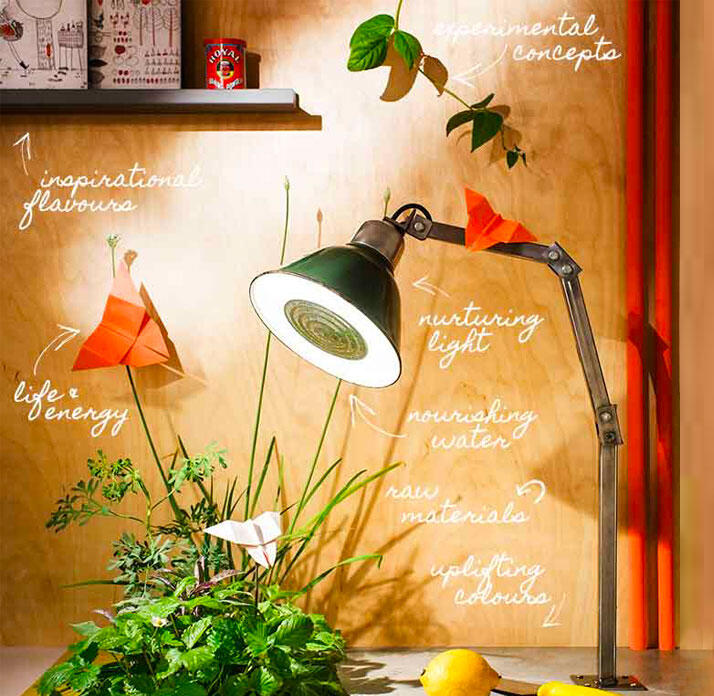
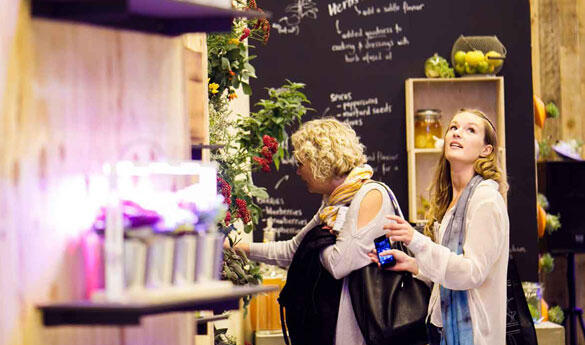
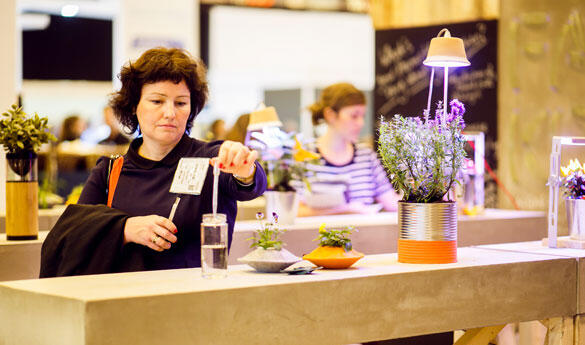
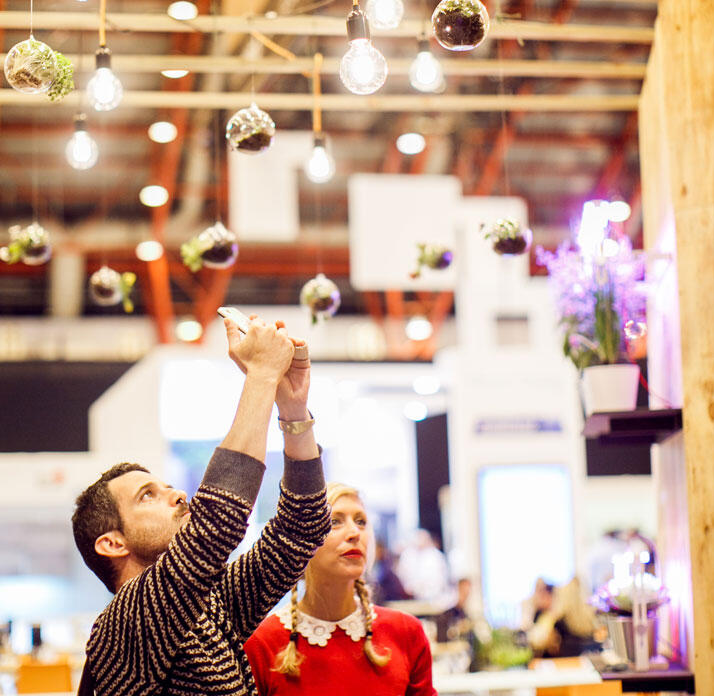
Created a 272m² immersive installation at 100% Design exploring how urban food production, technology, planting, cooking and social life could come together in the future home. The concept challenged technology-led visions of the future kitchen by making a more nature-connected alternative tangible.
Rethinking the future kitchen through micro-agriculture
Context & Challenge
As urban populations grow, finding space to produce food within cities and homes becomes increasingly important. Yet visions of the future kitchen were often shaped by technology, presenting clinical environments dominated by white surfaces and stainless steel.Given the brief to develop Farm Kitchen, I chose to explore a different direction: a future in which growing food could become an integral part of domestic life, connecting nature, planting, cooking, social space and sensory experience.The challenge was to show how micro-agriculture - growing food on a small scale using different systems and technologies - could enrich everyday life rather than allowing technological innovation to dictate how people live.
My approach
Developing an alternative vision of the domestic environmentI developed the creative concept for a 272m² immersive design installation and pop-up restaurant, bringing together interior design, micro-agriculture, contemporary products and experimental approaches to growing food.Vertical planting, hydroponics, automated irrigation, reclaimed and natural materials, and experimental applications of algae sat alongside furniture, cooking and social space. Rather than presenting growing technologies as standalone innovations, I explored how they could become part of a domestic environment, even where outdoor space was limited.Bringing together design and emerging innovationI curated products and experimental concepts from contributors including Bulbo, the University of Bath, Greenworks and Modern Sprout, integrating their work into a coherent interior. The project also attracted sponsorship from Gaggenau and Dornbracht, who showcased their related innovations.My role extended across concept development, curation, team assembly, communications and delivery. I coordinated the installation with Media 10’s operations team and managed the physical build, bringing contributions from different fields together in a single spatial experience.Designing a journey from growing to eatingI structured the visitor experience around three stages: Cultivate, Convert, Enjoy. This sequence connected growing food with its preparation and consumption, making the process tangible rather than simply explaining it.Visitors could touch, taste and smell different elements as they moved through the installation. Planting systems, materials and emerging technologies invited them to explore relationships between food, nature and the spaces we inhabit. The journey culminated in a pop-up restaurant, where eating and socialising completed the experience.
What emerged
A different vision of the future kitchenFarm Kitchen offered a tangible alternative to technology-led visions of the future kitchen. By bringing food production into a setting associated with cooking, eating and gathering, the installation explored how emerging technologies, natural materials and planting could work together within contemporary interiors.It presented indoor growing as a potential part of everyday domestic life, responding to the constraints of urban living without sacrificing comfort, personal taste or social connection.The installation received international press coverage, and ICON magazine subsequently named Farm Kitchen one of its top three highlights of 100% Design.
Why it matters
Using design to make alternatives tangibleMy contribution combined conceptual thinking with creative and practical leadership, connecting interior design, growing technologies, products and experimental ideas within a coherent environment. Rather than asking visitors simply to imagine a different future, the installation gave them an opportunity to experience and explore one.
Further conversation
If you'd like to discuss this work or explore related ideas, please get in touch.
Maker Carousel
Media 10 / 100% Design, London Design Festival
Creative Direction, Concept Development, Production & Installation
2014
Synopsis
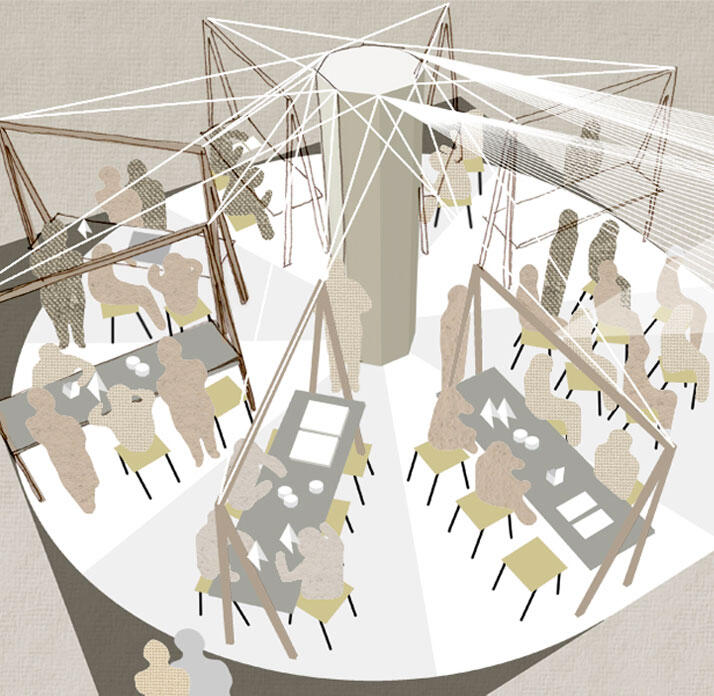
Designed an 81m² installation at 100% Design that brought traditional craft, digital fabrication and emerging technologies together around the shared experience of making. Its circular layout and hands-on activities encouraged people across professions and skill levels to experiment, exchange ideas and discover things together.
Making space for experimentation and discovery
Context & Challenge
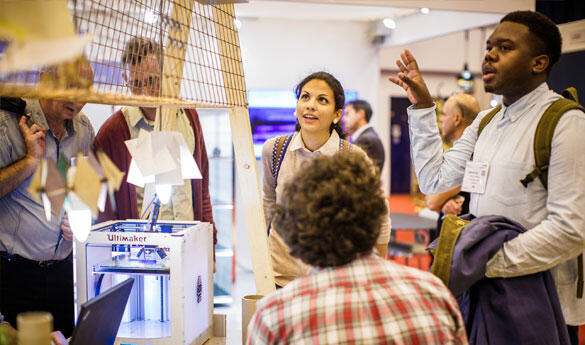
The brief for a feature installation at 100% Design was to create a makerspace, with an initial steer towards 3D printers as a representation of the future of localised making.I saw an opportunity to explore what a makerspace could offer beyond access to digital tools: an environment that celebrated the joy of making, the freedom to experiment and the unexpected discoveries that happen when people try things out together.I developed the concept of Maker Carousel, drawing on the energy and movement of a carousel to express creative practice as playful, spontaneous and open to possibility. The aim was to bring traditional craft into conversation with digital fabrication and emerging technologies, while creating a space where people could participate regardless of their professional background or level of expertise.
My approach
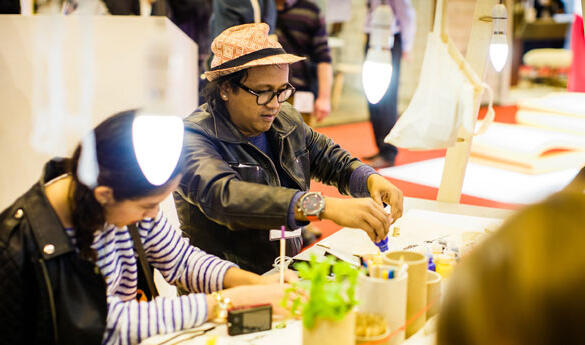
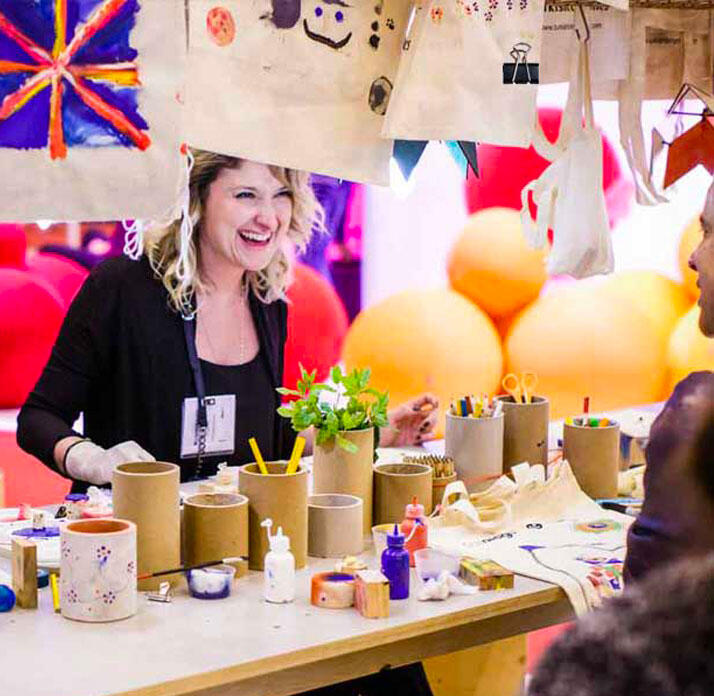
Designing an environment that invites experimentationI developed the concept for an 81m² immersive installation inspired by the movement and energy of a carousel. Its circular layout centred on a column, connecting a series of workbenches with a shared space for inspiration, talks and discussion.The structure reflected the cyclical nature of creative practice through three stages: Think, Make, Reveal. Interwoven strands overhead connected the workbenches, expressing relationships between disciplines, techniques and influences that might initially appear unrelated.Each workbench explored a different aspect of making. Found objects sat alongside experimental and prototype products, bringing traditional craft into conversation with digital fabrication and emerging technologies.Making creativity accessible through participationRather than presenting making as something to observe from a distance, I designed opportunities for visitors to get involved. Activities ranged from paper prototyping, model-making and block-printing to 3D printing and smart technology, allowing people to experiment with different methods and materials.Talks and workshops brought in practitioners and organisations working across design, fabrication and creative technology, including the British Council’s Maker Library Network, Opendesk, Hirsch & Mann and BeatWoven.The installation was designed to encourage curiosity and participation: somewhere people could try things out, learn from one another and follow an idea wherever it led.
What emerged
A shared space for making and connectingMaker Carousel became a lively environment where people from across the design industry met through the shared experience of making.Architects, designers, students, makers and suppliers gathered around the same workbenches, exchanging materials, offering help and talking as they worked. People passed one another paints, shared techniques and helped each other wash their hands. Professional roles and levels of experience seemed less important than what they were doing together.I remember one moment particularly well. A smartly dressed professional approached me with his tie tucked into his shirt and his sleeves rolled up, holding up his hands and asking where he could wash the green paint off them. He'd been busy having fun.The activities also prompted spontaneous collaborations, with some university groups holding impromptu competitions.The installation was voted the most popular feature by an international audience of more than 25,000 industry professionals.
Why it matters
Creativity as a shared experienceMaker Carousel explored how the design of a physical environment can can do more than communicate an idea; it can influence the way people interact. By giving visitors a shared activity and making experimentation accessible, it created opportunities for people to connect through doing rather than through formal professional encounters.
Further conversation
If you'd like to discuss this work or explore related ideas, please get in touch.
World Health Organization
Tobacco-Free Initiative
Specialist consultancy project, tobacco control & health communication
2025
Synopsis
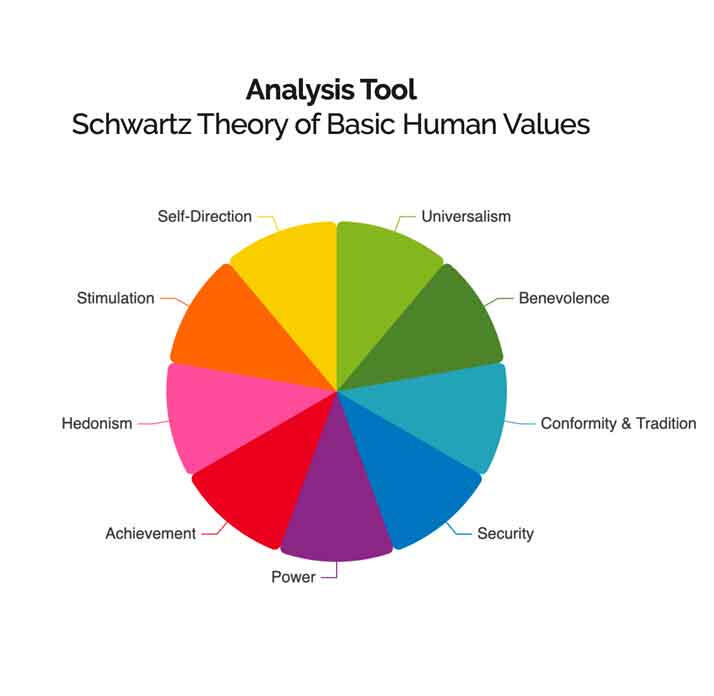
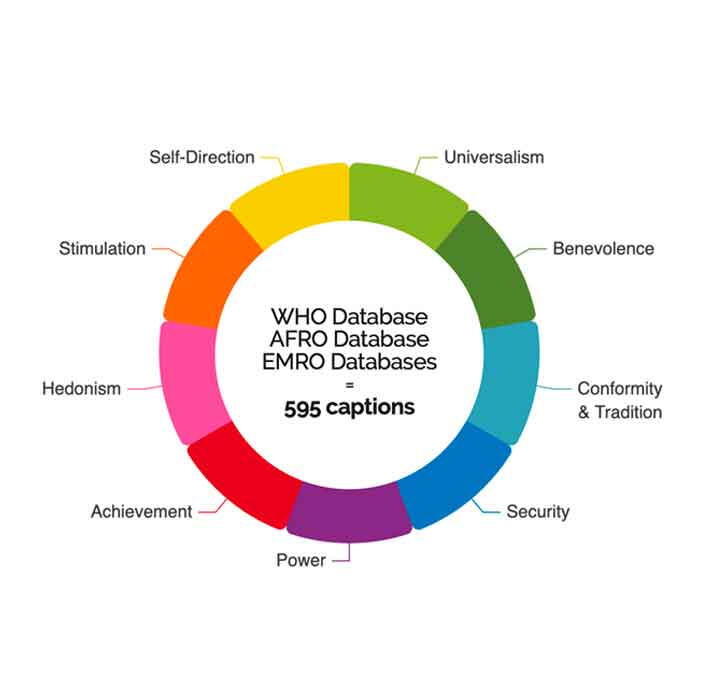
Analysed 595 graphic health warnings from more than 37 countries using Schwartz’s Theory of Basic Human Values to explore how values could inform public health communication. The research generated alternative narratives for consideration by global programme leaders and contributed to the 10th WHO Report on the Global Tobacco Epidemic (2025).
Looking beyond health to explore new approaches to tobacco control
Context & Challenge
Graphic health warnings on cigarette packaging communicate the serious health consequences of smoking. However, practitioners were reporting signs of audience desensitisation, prompting WHO programme leaders to explore opportunities for innovation in line with the WHO Framework Convention on Tobacco Control (WHO FCTC).I was interested in whether a deeper understanding of human values could reveal alternative ways to communicate the harms of tobacco use and the benefits of cessation. Health consequences are central to tobacco control, but people's motivations extend beyond health. Could a broader understanding of what people value help identify other ways into the conversation?
My approach
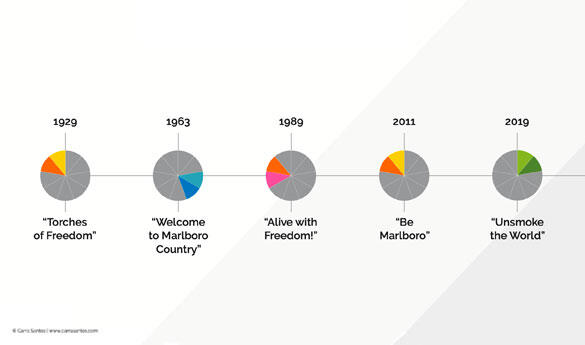
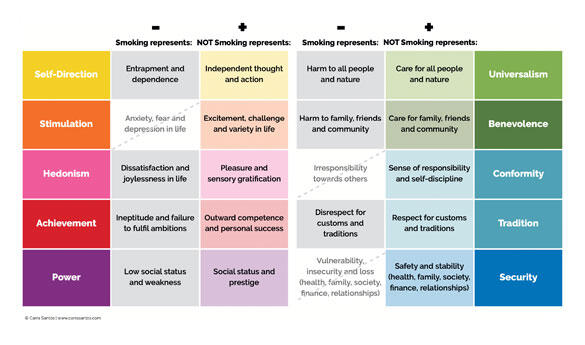
Examining the values expressed in existing warningsUsing the WHO Pictorial Health Warnings Database, I analysed 595 graphic health warnings from more than 37 countries through the lens of Schwartz’s Theory of Basic Human Values.This provided a framework for examining the values expressed through the captions of existing warnings and considering which motivations they engaged with or left largely unexplored.The analysis revealed a strong emphasis on health consequences, alongside uneven representation of different health impacts. Other potential motivations, including financial and environmental concerns, were rarely or entirely absent from the warnings examined.These findings raised questions about the range of perspectives available to public health communicators and whether other values could provide additional ways to engage people with the reasons to stop smoking.Exploring alternative narrativesMy background in design led me to consider these findings alongside the values and aspirations historically used in tobacco-industry marketing. Cigarette advertising has associated smoking with ideas such as freedom, confidence, rebellion and belonging, linking a harmful product to identities and ways of life that people might aspire to.This contrast prompted me to explore the difference between messages framed primarily around loss - illness, harm and death - and narratives that connect with motivations people might actively pursue.I developed alternative public health narratives and cigarette-pack mock-ups to illustrate how cessation messages might engage with a wider range of human values. One example explored the financial cost of smoking in a UK context.Through a research questionnaire and follow-up conversation, one smoker recognised a connection between his 20-a-day habit and his aspiration to save for a house deposit - a relationship he had not previously made. This individual response illustrated how a message framed around a personal goal could prompt a different kind of reflection on smoking.
What emerged
I presented the analysis and alternative narrative examples to WHO programme leaders, contributing to internal discussions involving communications, legal and practitioner perspectives. The work brought behavioural theory and design thinking into conversations about how tobacco-control communication might engage with a wider range of values and motivations.My research also informed the 10th WHO Report on the Global Tobacco Epidemic (2025). I developed a pie chart and accompanying text based on my analysis, showing how health themes were represented in existing warnings, and conceived and researched a timeline of tobacco-industry interference. The report editor finalised both contributions; the timeline also drew on consultation with legal colleagues and the University of Bath’s Tobacco Tactics team. The report was disseminated to health ministries and policymakers across WHO’s 194 Member States.
Why it matters
This work brought human values theory, design history and communication research into conversation with a practical challenge in tobacco control. It explored how alternative narratives might complement established health warnings, providing a basis for further investigation of values-informed communication and how messages could be adapted to national and cultural contexts.The research also connected practically with WHO FCTC Articles 11 and 12 policy guidance addressing tobacco product packaging and labelling, and education, communication, training and public awareness.
Further conversation
If you'd like to discuss this work or explore related ideas, please get in touch.
Essex County Council / Design Council
Place-based climate action
Design & systems thinking coaching | Design research
2023
Synopsis
Co-designed and facilitated a futures-thinking workshop with young people aged 15-18 to explore the future they wanted to create, rather than starting with prescribed climate actions. The research identified ten youth-led themes and five priorities, revealing connections between climate ambitions and young people's everyday aspirations.
Reframing climate engagement through young people's aspirations
Context & Challenge
As part of its regional net-zero strategy, Essex County Council and the Essex Climate Action Commission were developing a student-led Climate Ambassador Network to bring climate action into schools and wider communities.The design thinking process revealed a complex landscape of stakeholders, including students, teachers, headteachers, parents and communities, with different levels of knowledge, interest and motivation around climate change. These differences mattered in the context of a cost-of-living crisis, concerns about climate anxiety, disconnected efforts and the responsibility placed on young people.The challenge was to develop an initiative that could be genuinely student-led and work across the region, without assuming that young people shared the same priorities or would respond to conventional climate messaging.I coached the council team through the design thinking process to reconsider its starting point. Rather than beginning with the actions young people should take, we explored how their values, interests and aspirations might offer more inclusive ways into climate engagement.
My approach
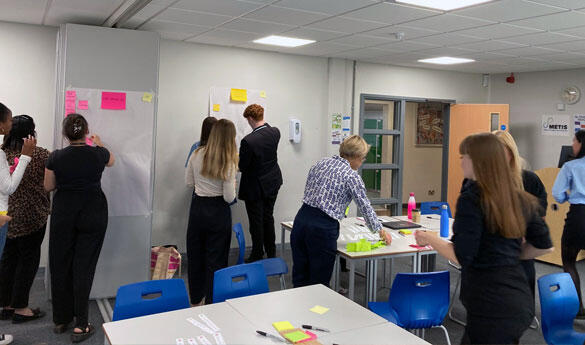
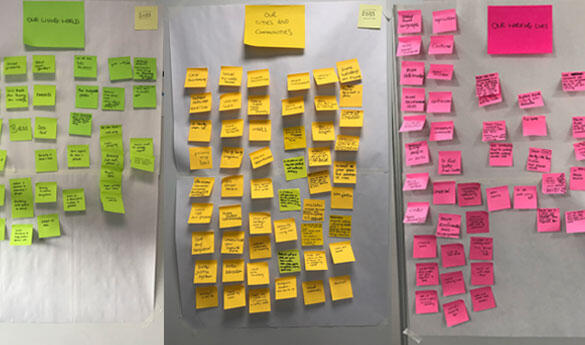
Imagining a future worth working towardsWorking with my Design Council colleague, I co-designed and facilitated The World We Will Create, a visioning workshop with young people aged 15-18 and their teachers.Drawing on design thinking, futures thinking and systems thinking, the session invited participants to imagine a climate-positive Essex in 2033, looking beyond today's conflicts and constraints to consider what a thriving future might look and feel like.The session opened with a reading from The Future We Choose by Christiana Figueres and Tom Rivett-Carnac, followed by a short futures narrative to stimulate imagination. Participants then explored three interconnected themes:
Our Living World: Our relationship with nature and the environment.
Our Cities and Communities: How we live together and the places we share.
Our Working Life: How we learn, work and use technology.
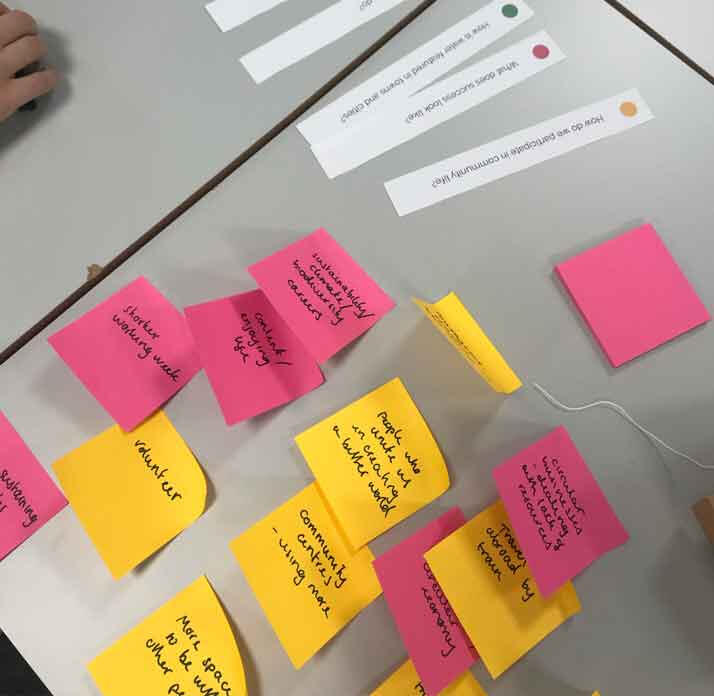
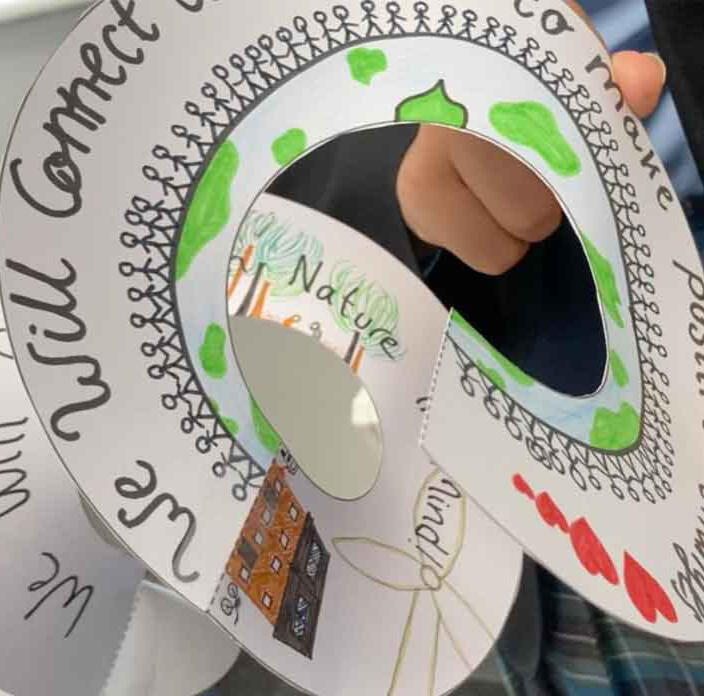
Questions such as What do we see when we look out our windows?, Where do we go for relaxation? and What do we use technology for? encouraged participants to consider everyday life from a future perspective. The themes connected environmental, social and economic dimensions of sustainable development, broadening the discussion beyond environmental impacts alone.Making a shared vision visibleTo bring the ideas together, participants each illustrated a paper circle representing their greatest hope for a climate-positive future. Inspired by the Doughnut Economics Action Lab's Doughnut Dreams exercise, the circles became part of a collective Dream Spiral.This gave participants a tangible way to express their aspirations and see them alongside those of others, moving from individual ideas towards a shared picture of what a positive future could mean for Essex.Identifying themes and connectionsFollowing the workshop, I analysed and clustered the contributions into ten themes:
Circular Communities: Growing, making, repairing and sharing to reduce waste and strengthen community ties.
Restoring Nature: Bringing trees, plants and wildlife back into towns and cities.
Tech for Good: Using technology to educate, connect and solve problems.
Caring Communities: Building relationships and supporting one another through everyday acts of care.
A Healthy Utopia Life: Improving wellbeing through activities such as reading, learning, exercise and positive communication.
The New Role Models: Finding and sharing examples of people and businesses that inspire positive change.
Clean Energy: Exploring renewables, energy efficiency and active travel.
Systems Change: Addressing questions of justice, education, equal opportunity and leadership.
Future of Work: Imagining accessible, meaningful and fairly paid work.
Our Learning Environments: Reducing emissions and preserving resources through changes in schools.
The themes connected climate ambitions with relationships, wellbeing, technology, fairness and working life, revealing a broader range of potential starting points for engagement. A follow-up questionnaire invited participants to select their five priorities, giving the project team a clearer basis for further exploration.
What emerged
The ten themes and selected priorities gave Essex County Council and the emerging Climate Ambassador Network a basis for exploring how climate engagement could connect with young people's own interests and concerns.The workshop also produced an approach that teachers and students could use to gather further insights through their wider school and community networks, offering a practical way to extend the research beyond the initial group.
Why it matters
My contribution connected strategic coaching with practical research design: helping the council team reconsider its initial framing, co-designing and facilitating the workshop, and analysing the findings into themes and priorities for future engagement.The project explored a different starting point for climate engagement: understanding the futures young people wanted to create, then identifying where climate action could connect with those ambitions.
Further conversation
If you'd like to discuss this work or explore related ideas, please get in touch.
Lumsden Design
Design practice & sustainability
Contextual sustainability education & strategic research recommendations
2023
Synopsis
Designed and facilitated an interactive learning experience to help an international design practice explore its sustainability potential beyond material choices alone. A collaborative workshop and tailored recommendations connected shared learning with opportunities for project review, further research and development.
Broadening the understanding of sustainability in design practice
Context & Challenge
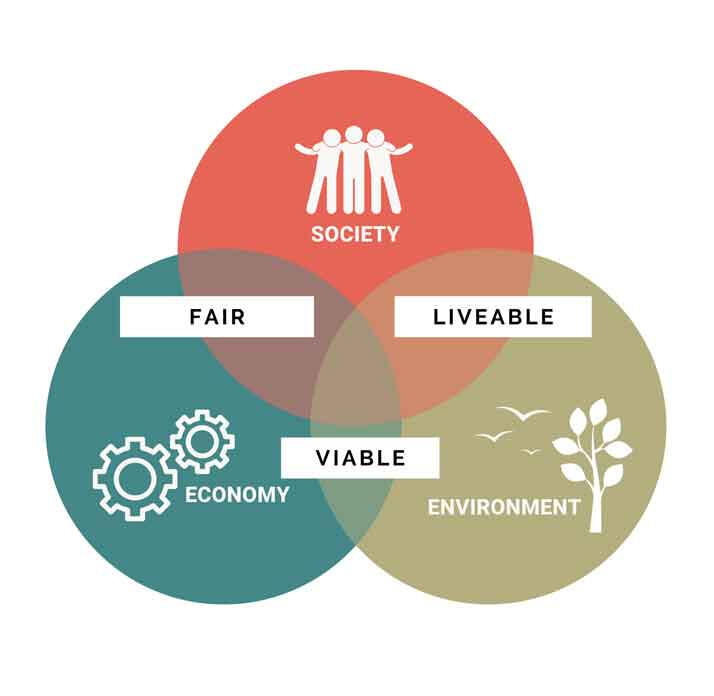
Lumsden Design is an international museum, heritage and destination retail design practice working in contexts shaped by local identity, cultural meaning and social value.As expectations around sustainability evolved, the practice wanted to explore how it could develop its approach and connect sustainability more closely with its creative work. However, the team's understanding had largely been shaped by a narrow environmental framing, particularly the use or non-use of materials.I saw an opportunity to explore what a broader understanding of sustainability might reveal about the practice's existing strengths, its relationship with place and the possibilities for future design work.
My approach
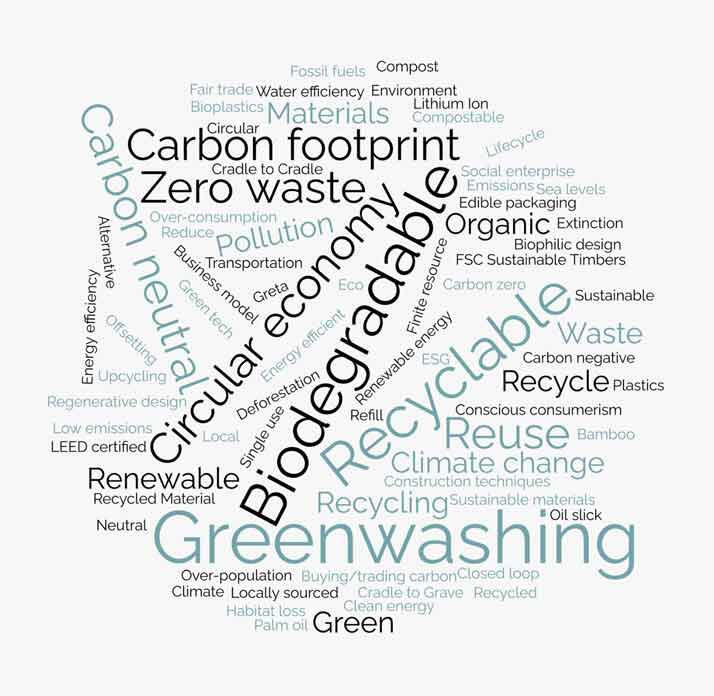
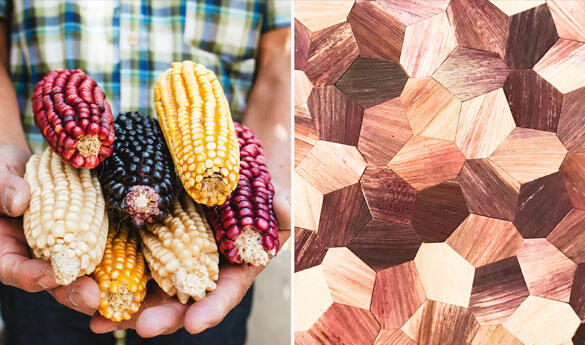
Expanding the team's understanding of sustainabilityI designed and facilitated Declutter the Landscape, an interactive workshop combining an introduction to sustainable development with a collaborative exercise grounded in the team's own understanding and experience.Drawing on the UN definition of sustainable development, I developed a presentation to establish a shared foundation. Before the session, I invited team members to submit words they associated with sustainability. I transformed their responses into a word cloud and a set of printed word cards, using the team's own language as the starting point for exploration.Working collaboratively, participants grouped related concepts, examined connections and considered what was represented, what was missing and what might warrant further attention. This made the team's collective understanding visible and created an opportunity to question its existing assumptions.Connecting wider principles to design practiceTo make these principles tangible, I introduced examples of innovation such as Totomoxtle, a material developed by designer Fernando Laposse using discarded maize husks. The example offered a way to explore how a product for luxury interiors could connect several dimensions of sustainability: making use of an overlooked material, drawing on traditional knowledge, supporting local livelihoods and creating economic opportunities.It brought the wider concept into the context of Lumsden's work, showing how material choices could be considered alongside the social relationships, cultural knowledge and economic conditions involved in their production.The intention was not to prescribe a particular design solution, but to open up questions about where sustainability value might already exist and how it could be recognised or developed in future projects.Translating insights into practical next stepsFollowing the workshop, I synthesised the discussion into a written summary and recommendations for further learning, project review and research.I organised these around three areas:
Developing shared knowledge: explore the circular economy and its connections with designing with nature, social value and inclusive design.
Reconsidering existing work: review completed projects to identify sustainability considerations already present and explore how these could be communicated more clearly.
Investigating new possibilities: research materials, local suppliers, social enterprises and other relationships that could connect sustainability ambitions with the practical realities of projects.
These recommendations connected the workshop's learning with tangible areas for further exploration, while leaving the practice to determine which opportunities were most relevant to its work.
What emerged
The workshop and recommendations gave Lumsden a starting point for developing its knowledge, revisiting previous projects and investigating opportunities around materials, local relationships and circular approaches.The studio's co-founder, Simon Clark, reflected on the value of the work:“I wish we'd done it sooner. It blew away some myths and helped me realise there is so much more to sustainability than the use or non-use of materials.”
Why it matters
The project explored a tension relevant to the wider creative sector: sustainability is often understood through a relatively narrow environmental lens, despite the interconnectedness of environmental, social and economic possibilities, and the potential for creative practice to explore and amplify these.My contribution combined research, creative facilitation and synthesis to connect sustainable development principles with the realities of an established design practice. The work illustrates how a tailored learning experience can open up new questions and identify practical opportunities without prescribing a one-size-fits-all solution.
Further conversation
If you'd like to discuss this work or explore related ideas, please get in touch.
London Borough of Hounslow / Design Council
Place-based climate action
Design & systems thinking coaching | Design research
2023
Synopsis
Used design research and systems thinking to help a council team look beyond an initial parklet proposal and investigate the conditions shaping community participation. The work connected climate ambitions with everyday social and economic realities, helping reframe the challenge around what would enable people to participate.
Reframing a climate intervention around local needs
Context & Challenge
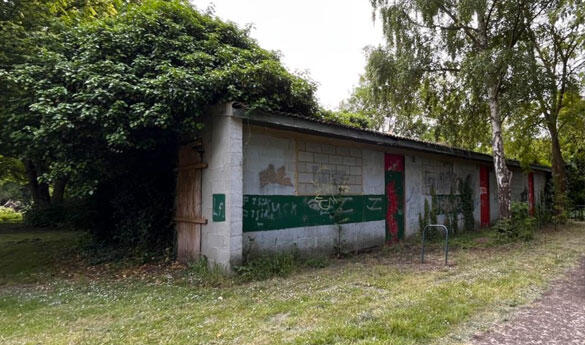
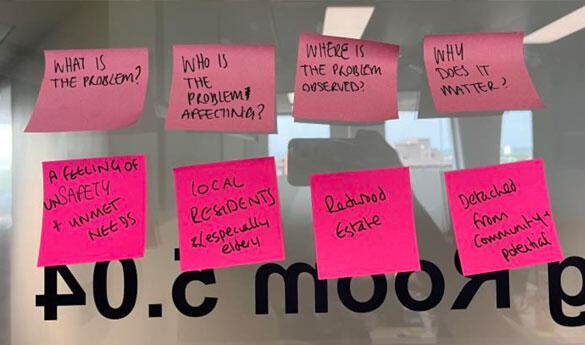
Hounslow's Net Zero team wanted to strengthen community cohesion and create the conditions for local climate action in an area facing significant social and economic challenges.An early proposal was to design and install a parklet: a small, sociable pocket of green space intended to bring people together. But how could the team ensure its efforts and resources addressed the realities of residents' everyday lives, rather than simply introducing another intervention?The challenge became understanding what enabled or prevented people from participating in community life, and what those conditions meant for the development of climate action.
My approach
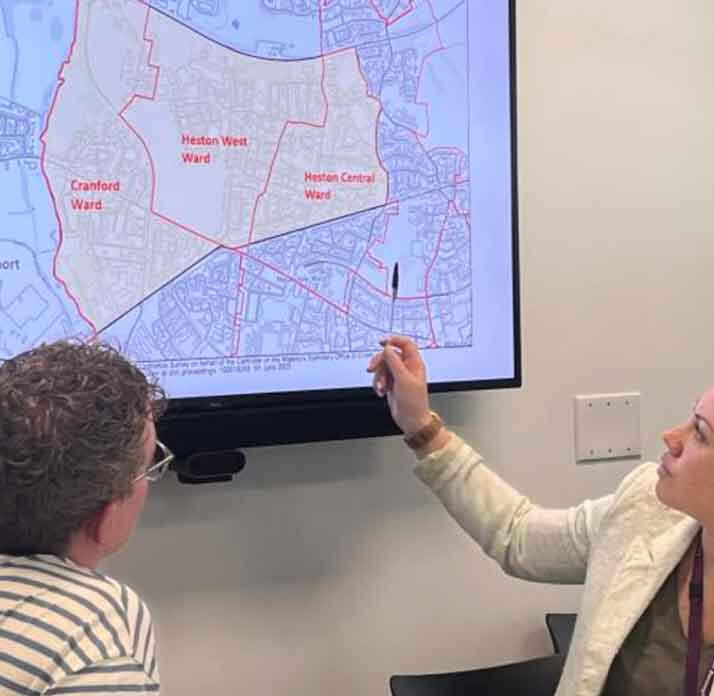
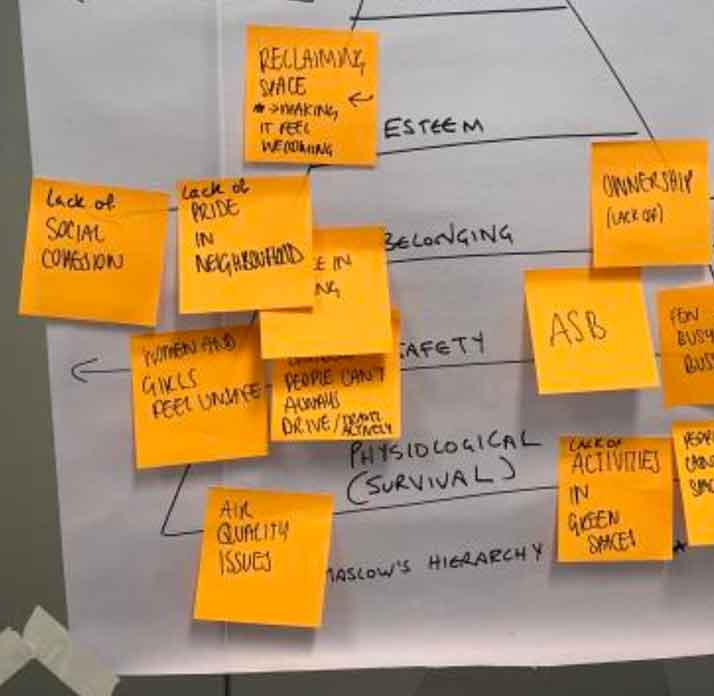
Starting with the realities of placeI introduced a ward walk to explore the neighbourhood beyond the initial proposal. Walking through the area together gave the team an opportunity to observe its physical environment, local amenities and everyday conditions, and to consider what these revealed about the possibilities for community participation.We encountered valuable community assets, including well-used community centres, a library, a park and spaces for play. We also observed signs of inequality, concerns about safety, difficult road crossings and working patterns that could limit opportunities for residents to connect.These observations raised questions about why some existing facilities and investments were not being used as intended, and what conditions needed to be in place for community participation to flourish.Connecting local needs through Bridge to BelongingI used my Bridge to Belonging framework to structure a cross-departmental workshop, helping council representatives consider neighbourhood needs from the ground up and explore connections between social, environmental and economic priorities.The framework provided a way to organise observations, examine how different local priorities related to one another, and identify barriers, possibilities and questions for further investigation.
The process focused attention on Redwood Estate, where overlapping challenges around housing, financial security, access to facilities and opportunities for participation appeared particularly acute.The council team then undertook further design research to develop a more detailed understanding of residents' everyday experiences. This revealed that concerns about safety and a lack of trust in the Council were significant barriers to using existing public spaces and facilities.
What emerged
From a parklet to the conditions for participationThe research prompted a fundamental change in direction. Rather than progressing the parklet proposal, the team developed a new brief centred on exploring a community hub and a more reassuring Council presence on Redwood Estate.The emerging approach aimed to connect residents with practical support, community resources and opportunities for skills development, while building stronger relationships between the Council, local partners and residents.The next stage involved identifying resources across council departments and external partners, exploring how departments could work together where their responsibilities intersected, and investigating practical local needs in greater depth.
Why it matters
The project demonstrated the value of understanding a place before committing to an intervention. The ward walk and Bridge to Belonging helped the team connect local observations and priorities; the council's subsequent research then explored how safety, trust and access to support affected residents' experiences.My contribution combined place-based observation with a framework for connecting local priorities, helping the team move beyond its initial proposal and establish a more grounded direction for further research.
Further conversation
If you'd like to discuss this work or explore related ideas, please get in touch.
Civic Sketchbook
Independent Creative Research
Walking, Photography, Writing & Creative Ethnography
Ongoing project
Place-noticing through walking, writing and creative ethnography
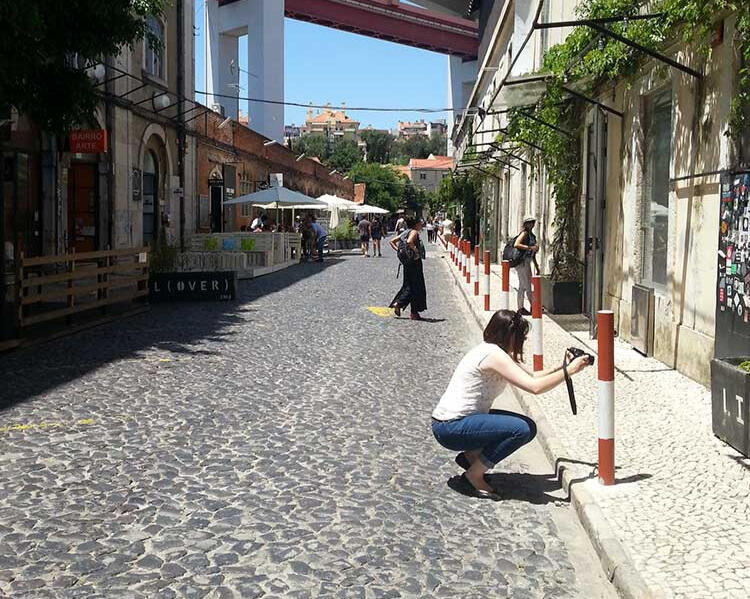
Before deciding what a place needs, it's important to understand what's already there: the people, stories, routines and relationships that shape everyday life and how change happens.Civic Sketchbook is where I make my field notes, exploring places through walking, photography, observation, reading and writing. By slowing down and paying attention to the details of everyday life, I explore the stories and relationships that reveal a richer understanding of a place and the possibilities it holds. Each exploration is an opportunity to develop my ability to notice more.Through these ongoing explorations, I share photographs, reflections and stories that invite others to see familiar places differently, question what they might otherwise overlook, and become more curious about the meanings we make and the worlds we shape.
Explore Civic Sketchbook
See photographs, reflections and stories exploring places through walking, observation and creative research.
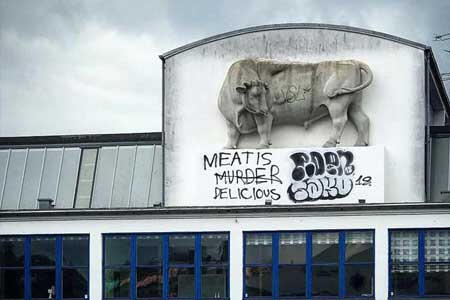
Pre-Collaborative City
Independent Research & Writing
Field Guide Development, Research & Learning Resources
Ongoing project
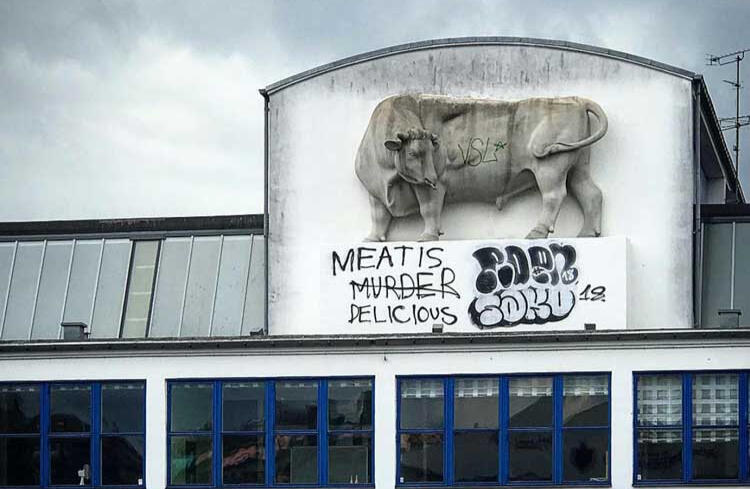
Exploring the conditions for constructive collaboration
From experience, I know that bringing people together doesn't automatically lead to better outcomes. Differences in knowledge, assumptions, values and priorities can quickly shut down conversations, particularly when people have little opportunity to understand one another or the context they're working in.Pre-Collaborative City explores what needs to happen before people can work constructively across different perspectives. Drawing on research, design and learning, it examines how we can better understand context, question assumptions and develop the awareness needed to engage with viewpoints unlike our own.Through writing, I'm exploring connections between professional experience, research and ideas about what makes collaboration possible. I'm slowly developing a practical field guide that brings together ideas, examples and exercises to help people approach shared challenges with greater understanding and establish a stronger basis for collaborative responses.
Follow developments
Sign up to receive occasional updates as the project develops, including new writing, practical resources and exercises.
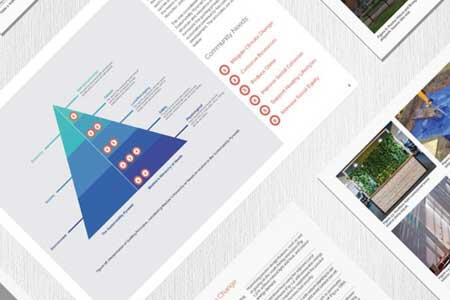
Bridge to Belonging
Independent Research & Framework Development
Interdisciplinary Research, Place-Based Analysis & Sustainable Urban Development
2021 - present
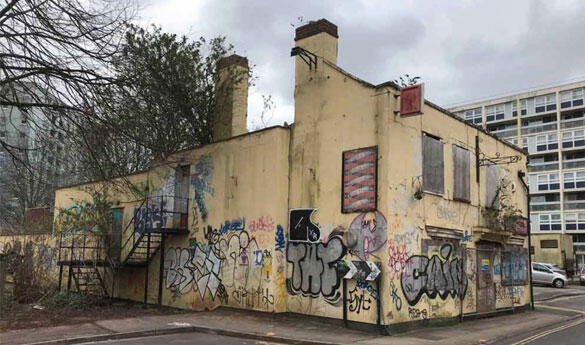
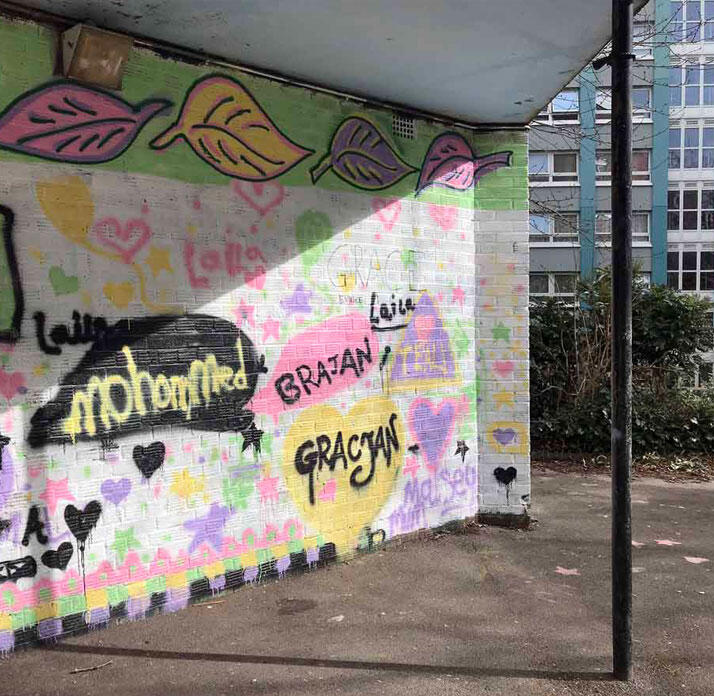
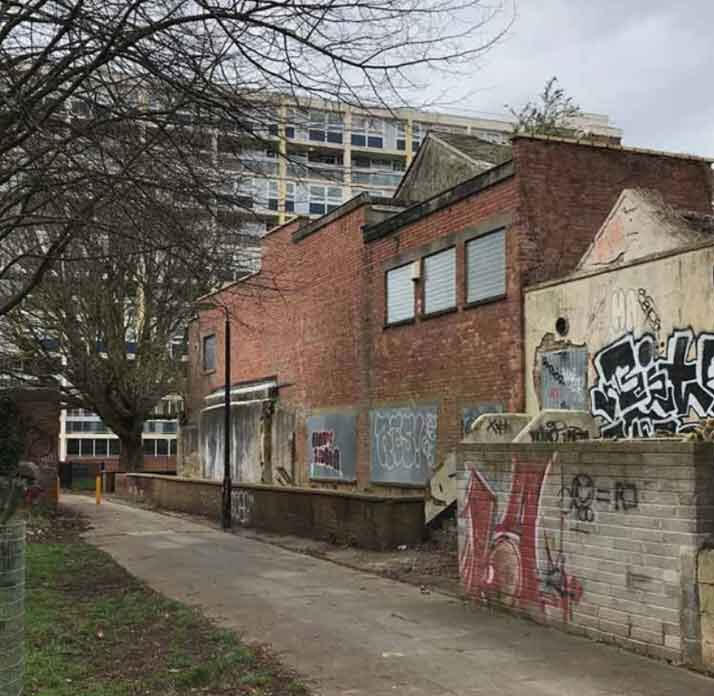
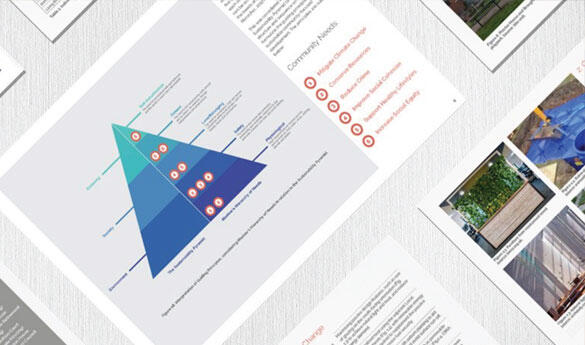
Understanding neighbourhood needs to inform place-specific development
Bridge to Belonging is an interdisciplinary research framework I developed during my MSc in Sustainable Development in Practice at the University of the West of England. It brings together quantitative and qualitative evidence with wider sustainable development priorities to build a fuller picture of a neighbourhood's social, environmental and economic needs, and identify opportunities for more joined-up responses at a hyperlocal level.I initially developed the framework through research into a brownfield site in Redcliffe, Bristol (pictured), establishing six guiding principles for sustainable development in priority order. The work explored how evidence about a particular place could inform decisions by connecting local conditions with wider social, environmental and economic priorities.I later adapted the approach into a workshop and supporting resources for the Design Council's work with the London Borough of Hounslow. There, discovery research had revealed local social and economic inequalities that were difficult to connect with the team's net-zero ambitions. The framework helped bring these concerns into a shared frame of reference, supporting a more interconnected understanding of local priorities. The team leader subsequently reported that the team continued to think about its work in these terms beyond the project.Bridge to Belonging offers a way to connect wider ambitions for a just transition with the realities of the places they are intended to serve.“An outstanding report, written and presented to an exceptionally high standard.”
— Professor Danielle Sinnett, Director, Centre for Sustainable Planning & Environments, University of the West of England
Discuss this approach
If you'd like to discuss the Bridge to Belonging framework, Redcliffe case study, workshop and resources, or potential applications, please get in touch.
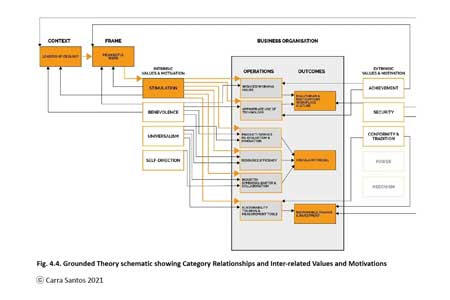
Communicating Degrowth
Independent Research & MSc Dissertation (Distinction)
Degrowth, Academic & Business Discourse, Human Values
2021
Finding a starting point for conversations about degrowth
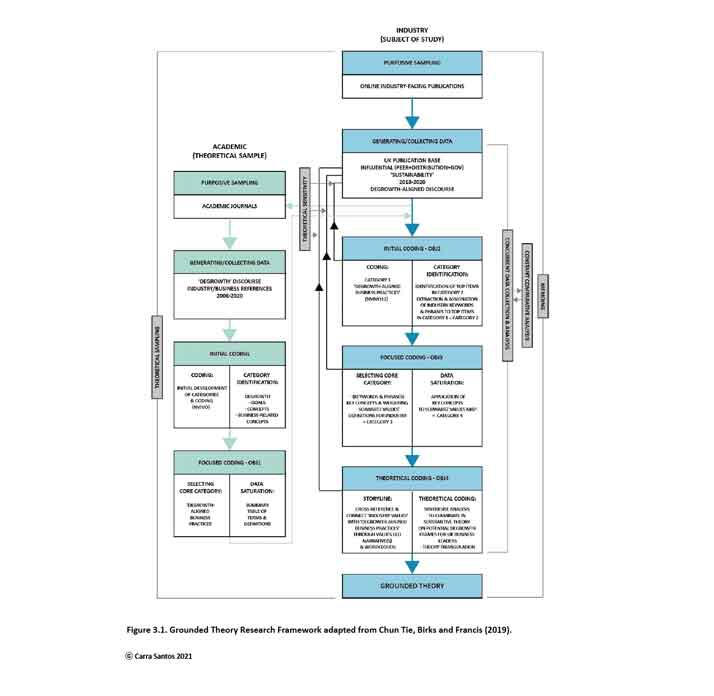
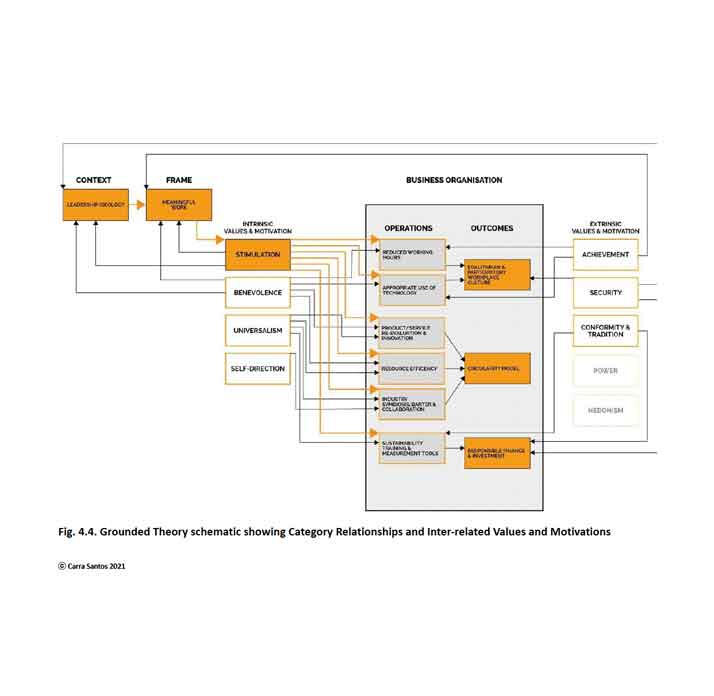
How might degrowth advocates have constructive conversations with UK business leaders when the word ‘degrowth’ itself meets resistance?To explore this question, I set aside the term and focused on its underlying principles, investigating three questions:What business practices align with degrowth goals?
How are these practices represented in UK industry-facing publications?
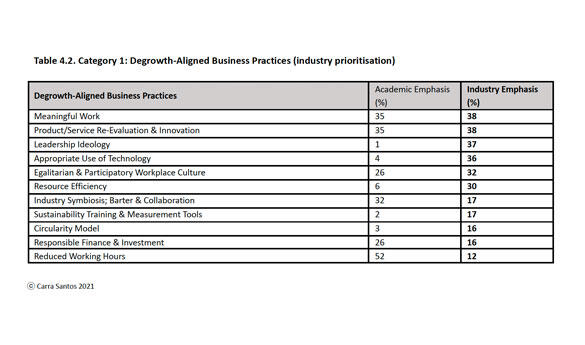
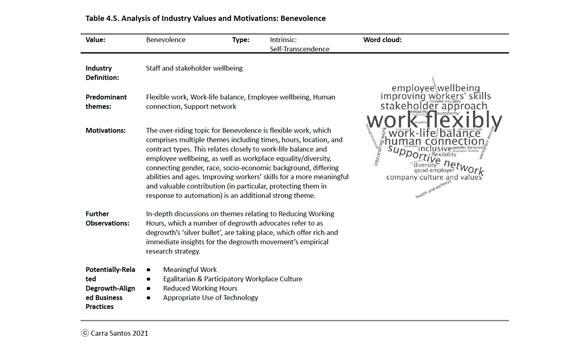
What motivates UK business leaders to engage in them?My MSc dissertation combined a review of academic literature with qualitative language analysis. I first identified 25 business practices aligned with degrowth goals, then analysed 116 articles from the Financial Times and Wired. I selected these publications through a systematic process designed to identify influential industry-facing sources within the service-dominated UK economy.Using an inductive grounded theory approach, iterative coding and Schwartz's Theory of Basic Human Values, I examined how degrowth-aligned practices were represented and what the language suggested about the values and motivations associated with them.What the research revealedAs the analysis developed, the focus shifted from sustainability discourse to the future of work.Degrowth-aligned business practices appeared more prominently in future-of-work discourse than in material explicitly framed around sustainability, where environmental and technological themes predominated. Within this discourse, meaningful work emerged as a promising starting point for further research into how business leaders might engage with degrowth principles.I developed an accompanying creative narrative, The Meaningful Work Workplace, to explore how this framing might connect concerns about innovation, human skills and job security with wider social and environmental goals.The analysis also raised a further question: if better-quality work and reduced working hours are part of a more sustainable economy, how might the time and opportunities they create support wider social and environmental benefits, rather than simply making more room for unsustainable consumption?What the research opened upThe research identified meaningful work as a potential point of connection between degrowth principles and business leaders' existing concerns. It suggested that recognising shared motivations could provide a starting point for proactive research and engagement.
Discuss this research
If you’d like to discuss my findings on communicating degrowth, or explore how this research approach could be applied to other topics that spark tensions, please get in touch.
About
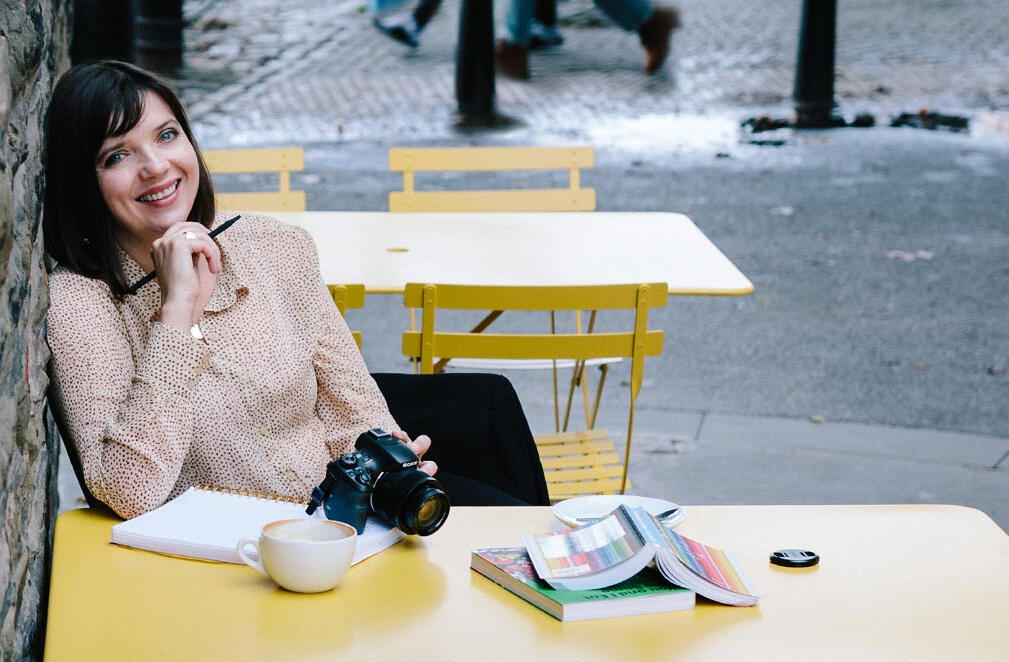
I'm a designer, researcher and educator with a background spanning creative practice, sustainable development and interdisciplinary learning.
I began my career in design, developing concepts, products and immersive environments shaped by an interest in the natural world, community and alternatives to trend-driven consumption. Growing up in rural Northern Ireland had influenced how I thought about our relationship with nature and material culture, questions that continued to inform my work as my interests developed.Wanting to explore these questions more deeply and build the knowledge and research skills to investigate them, I completed an MSc in Sustainable Development in Practice at the University of the West of England, graduating with distinction in 2021.Since then, I've worked across research, learning design and programme development with organisations including the World Health Organization, Design Council and University of Bath, alongside local authorities, design practices and community-led initiatives. Across this work, I've sought to bring overlooked perspectives into the conversation, help people move beyond opposing positions, and challenge narrow understandings of sustainability - particularly within the creative industries, where I see considerable potential to influence not just what we consume, but how we think, live and relate to the world around us.I draw on social science, design research and creative practice, combining analytical enquiry with hands-on exploration. My work spans learning programme design, participatory research, immersive environments and bringing social science insights into design-led workshops.I'm particularly interested in the discovery phase of a project: taking time to question assumptions, explore different perspectives and understand a situation before moving to ideas and implementation. This interest shapes my approach to education, developing creative educational resources and experiences that make this often-overlooked stage more joyful, meaningful and productive.
Talks & Publications
Research Contributor, 10th WHO Report on the Global Tobacco Epidemic, WHO, 2025
“A Different Way”, online talk, RSA South West Coffeehouse, 2024
“Design, differently with Communities”, futures thinking vision script and presentation, Design Council/Design for Planet, 2023
"Collaborative Bath", public talk, Extraordinary Earth Day, Bath Abbey, 2023
“Doughnut Economics: Can Bath Thrive like Amsterdam?”, public lecture, Bath Royal Literary & Scientific Institution, 2023
Lead Author & Book Launch Presenter, “Crafting Connections with Clothing: Values, Influence and Relationships”, in Accelerating Sustainability in Fashion, Clothing and Textiles, Routledge, 2023
MSc Dissertation (Distinction), “Communicating Degrowth”, University of the West of England, 2021
Researcher, Author & Presenter, “All Sewn Up: Dismantling Fast Fashion Consumption as a Social Practice”, Sustainable Innovation Conference, 2021
Qualifications
MSc Sustainable Development in Practice, Distinction - University of the West of England
BA Fashion Promotion & Illustration, 2:1 - Surrey Institute of Art & Design (now University for the Creative Arts)
Certificate in English Language Teaching to Adults (CELTA) - Queens University Belfast
If you'd like to discuss my work or explore related ideas, please get in touch.
Testimonials
Reflections on working together
“Carra is a driven, intelligent and curious colleague - when working with us at the Design Council, she helped to deliver a complex project with a range of stakeholders. She pushed participants to think deeper about the work they were aiming to deliver, and ultimately created a more meaningful process. This, in turn, led to longer-lasting outcomes.“
— Emily Whyman, Senior Programme Manager, Design Council“I would describe Carra as rigorously creative, in that she combines systems thinking and critical thinking with the spontaneity needed for new ideas. Not many people can do this. She questions everything and because she's also a terrific person, connects with people on many levels. It's an impressive combination of skills for change-making. Working with Carra definitely made me a better designer.”
— Darren Evans, Strategic Designer and Design Council Expert“Carra brought insight, thoughtfulness, and a deep sense of curiosity to the work we did together at the WHO on tobacco control. She approaches complex challenges with care and intellectual rigor, always seeking to understand the deeper dynamics at play. At the same time, she brings real joy and warmth to a team - Carra made a lasting impact on the work and on me personally.“
— Dr Hebe Gouda, Project Officer, World Health Organization“A huge boost to the quality of design thinking at the show. Carra's approach to every project is in-depth, practical and passionate; working with her is always a very pleasurable experience and her ability to make things happen both creatively and practically is invaluable.”
— William Knight, former Show Director, 100% Design at London Design Festival
Feedback from workshops and learning sessions
“The workshop exceeded my expectations and broadened my thinking on this subject.”
"A very simplified approach that has worked well for us ever since and as we have progressed in our development in this area."
“We had no idea about the depth of these topics, she is inspirational and enthusiastic and I could listen to her for hours.”
“Carra explained all the content really well and with such enthusiasm about the topic. She kept the presentation engaging and was happy to answer additional questions.”
“The faciliated discussion while completing the workbook activities really brought the theory into my everyday inside and outside of work. This highlighted the areas that I could focus my sustainability leadership in, and strengthened awareness of how to engage with others not on the same page as me.”
“Great session overall - learnt more about myself and left feeling energised and empowered to take action.”
“The report Carra compiled was very fair and honest, it has helped us to focus our goals moving forward.”
If you'd like to discuss my work or explore related ideas, please get in touch.
Contact
I work across research, design and creative learning, connecting ideas, evidence and lived experience to help people explore complex questions, examine different perspectives and discover new possibilities.
I welcome enquiries about:Teaching & learning design
Contributing to university courses and professional education through interdisciplinary and participatory learning approaches and the design of creative, immersive learning experiences. Drawing on academic and applied research, creative methods and professional practice, I help people engage with unfamiliar ideas, question assumptions and explore real-world challenges.Discovery & research planning
Helping teams review projects and plan research to revisit assumptions, close knowledge gaps, consider whose perspectives are missing and determine what needs further investigation, with implementation support where required.Learning resource development
Developing teaching materials, field guides, creative exercises and other resources that make complex subjects accessible and support independent or facilitated learning.Research & writing
Research, writing and publication collaborations exploring people, places, systems and social and environmental change, connecting theory and evidence with lived experience and everyday practice.I'm UK-based and work internationally. For enquiries about teaching, learning design, research or writing collaborations, please get in touch via email, LinkedIn, or the contact form below.